
Monolithic Cladding in Auckland: The Complete Buyer’s Guide to Inspecting Plaster Homes and Avoiding Costly Leaky Building Issues
Monolithic Cladding in Auckland: The Complete Buyer’s Guide to Inspecting Plaster Homes and Avoiding Costly Leaky Building Issues
If you’re looking at a plaster-clad home built between the mid-1990s and early 2010s, you’re probably already worried about leaky building syndrome. And you should be paying attention, because our team has seen repair bills ranging from $50,000 to well over $300,000 on properties that looked perfectly fine during a casual viewing.
Here’s the straight truth: not every monolithic-clad home is a disaster waiting to happen. Morgan and our team have inspected hundreds of these properties across Auckland over the past 20 years, and many are performing well. The challenge is knowing which investments are safe and which will drain your savings.
What Makes Monolithic Cladding Different
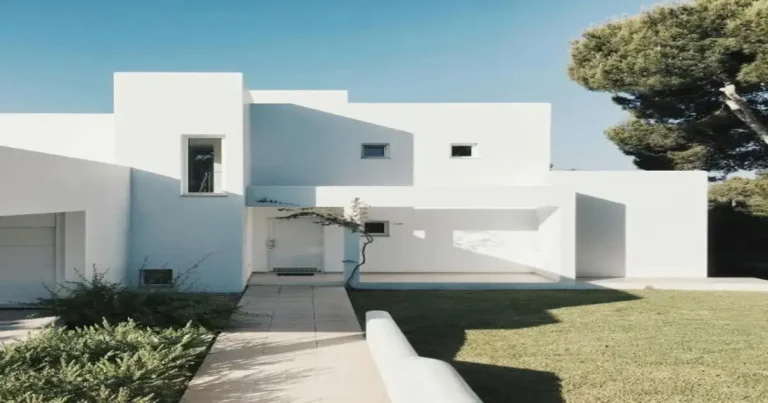
Monolithic cladding, often called EIFS (Exterior Insulation and Finishing System) or simply “plaster cladding,” became hugely popular in Auckland during the building boom. Unlike traditional weatherboard or brick, this system relies on a thin layer of plaster over polystyrene or similar backing, with no air gap behind it.
The problem? If water gets behind the cladding through any crack, gap, or poorly sealed junction, it has nowhere to go. It just sits there, rotting the timber framing. By the time you notice staining or damage inside the house, the deterioration has often been happening for years.
We’ve opened up walls that looked fine from outside, only to find framing timber so rotten you could push your finger straight through it. That’s why visual inspections alone don’t cut it with these homes.
The High-Risk Features to Look For
Not all monolithic-clad homes carry the same risk. Through our experience across Auckland, certain design features consistently show up on properties with moisture problems:
- Lack of eaves: Those sleek, box-like designs with flat roofs and no overhang? They look modern, but they expose the cladding to direct rainfall and provide no protection for windows and junctions.
- Complex shapes: Multiple levels, parapets, recessed balconies, and architectural features create dozens of junctions where water can penetrate if the detailing isn’t perfect.
- Ground clearance: Homes where the cladding sits close to ground level or is set on paving are more vulnerable to moisture wicking up from below.
- Deck and balcony connections: These are consistently the weakest points. We find issues in at least 60% of the monolithic homes we inspect.
A simple, single-level home with good eaves and proper clearances is a far safer prospect than a multi-level architectural statement piece, even if they were built by the same developer.

What a Proper Inspection Involves
You can’t properly assess monolithic cladding by walking around the property with a clipboard. Our inspections on these homes typically take closer to two hours because we’re looking beyond the surface.
We use moisture testing equipment to identify temperature differences that suggest moisture behind the cladding. We check every window and door junction, all service penetrations, and pay particular attention to areas where different materials meet.
The detailed building report you receive should clearly identify any concerns, explain the potential implications, and recommend whether invasive moisture testing is needed. If we find elevated moisture readings or visible defects, we’ll typically suggest that you have a specialist perform invasive testing before you commit to purchase.
Understanding Your Options as a Buyer
Finding issues doesn’t automatically mean you should walk away from a property. We’ve seen buyers successfully negotiate significant price reductions or have sellers complete repairs before settlement. The key is knowing exactly what you’re dealing with before you sign anything.
If our building inspection identifies concerns, you have several paths forward. You might commission invasive testing to determine the extent of any damage. You could get quotes for remediation work and use those in price negotiations. Or yes, if the risks are too high, you can use your inspection clause to exit the agreement.
The mistake we see repeatedly is buyers who skip the professional inspection to save a few hundred dollars, then discover problems after they’ve purchased. That $450-$600 inspection fee is nothing compared to what you’ll spend if you buy a property with hidden moisture damage.
The Repair Reality Check
Full re-cladding of a typical Auckland home runs between $150,000 and $400,000, depending on size and complexity. Even partial repairs to address specific problem areas can easily cost $50,000 to $100,000. These aren’t exaggerations; they are actual numbers from properties we’ve tracked to their eventual repair costs.
Sometimes the repairs have already been done. If a seller tells you the cladding has been remediated, don’t just take their word for it. You need to see the code of compliance certificate, the producer statements from the building professionals who supervised the work, and verification that proper building consent was obtained and signed off.
We can review this documentation during our inspection and flag any concerns. We’ve encountered situations where “repairs” were done without consent, or where the work didn’t actually address the underlying problems.
Making an Informed Decision
Auckland’s housing market still has thousands of monolithic-clad properties, and many buyers are successfully purchasing them. The difference between a good purchase and a costly mistake comes down to information.
Properties built after 2005, particularly those with building consent issued after the Building Act changes, tend to have better construction standards. Homes that have already been successfully remediated and have proper documentation can actually be excellent buys, because all the problem-solving has been done and paid for by someone else.
The properties to be most cautious about are those built between 1998 and 2004, especially if they have the high-risk features we mentioned earlier and no documented repairs. These represent the peak of the leaky building period and require the most thorough investigation.
Monolithic Cladding in Auckland: The Complete Buyer’s Guide to Inspecting Plaster Homes and Avoiding Costly Leaky Building Issues
Buying a monolithic-clad home doesn’t have to be a gamble. With proper professional inspection, clear documentation of any previous repairs, and a realistic understanding of the risks and costs, you can make a decision based on facts rather than fear. Some of these properties are perfectly sound and represent good value. Others are expensive problems waiting to surface. The difference is knowing which is which before you commit your money.
Auckland’s building inspection services exist to give you that knowledge. An hour or two of professional assessment could save you years of stress and hundreds of thousands in unexpected repairs. In our experience, that’s a trade-off that makes sense every time.
______________________________________________________________________________________________________________
Alert Building Inspection Services provides comprehensive building reports across Auckland and New Zealand. Trust our expert inspectors to give you clarity and confidence in your property decisions. For professional building inspection services and expert advice, visit our website. You can also read more articles like this on our blog.
Emma Clarke says:
This is such practical information for anyone navigating the Auckland property market. I found the section on identifying early warning signs particularly useful – it reminds me of how important thorough assessment is in any field, much like when I’m evaluating a client’s communication needs; you have to look beyond surface-level observations. The emphasis on getting multiple expert opinions before committing to a purchase seems like sound advice, especially given the long-term implications for homeowners. Have you considered adding a section on how to communicate effectively with inspectors and builders during the assessment process? I imagine many buyers aren’t sure what questions to ask, and it could really help them get the most out of professional consultations.
Catherine Jones says:
Not entirely convinced the visual inspection alone is enough to catch monolithic cladding issues early—I’ve seen plenty of properties that looked fine on the surface but had serious moisture problems hiding behind the plaster. Think a thermal imaging scan should be standard practice here, especially given how common the failures are in Auckland.
Lisa Anderson says:
The inspection checklist you’ve outlined is solid, though I’d genuinely recommend people get a building inspector involved early rather than trying to assess plaster condition themselves—it’s one of those areas where a trained eye really does catch what homeowners miss. Having worked with folks dealing with the aftermath of missed warning signs, the cost of getting it wrong far outweighs the inspection fee.
Lisa Anderson says:
The bit about getting a specialist inspector before purchase is crucial—most people don’t realise standard building inspectors might miss the specific issues that come with monolithic cladding systems. It’s the difference between catching a problem early versus inheriting someone else’s expensive headache.
Buzz says:
we’ve pulled up plenty of homes in Auckland with zero external signs of moisture issues that had serious trapped water in the cavity system. Visual assessment alone just doesn’t cut it when you’re talking about potential six-figure remediation costs.