
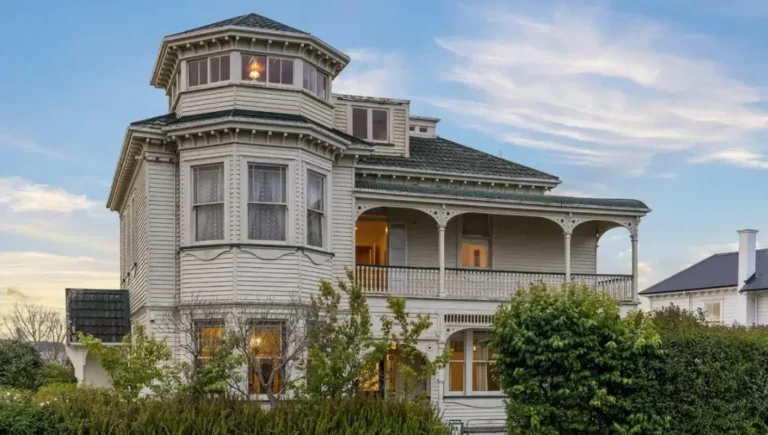
Auckland’s heritage villas and character homes are among the most sought-after properties in the city. From the ornate Victorian villas of Ponsonby to the elegant Edwardian homes of Devonport, these properties offer architectural charm and historical significance that modern builds simply cannot replicate. However, purchasing a heritage villa or character home requires careful consideration of age-related issues that a standard building inspection might overlook.
A heritage villa building inspection Auckland buyers can rely on must address the specific challenges these older properties present. With approximately 85,000 unrenovated villas across Auckland and around 30,000 properties in designated special character areas, understanding what inspectors should look for is essential before making one of the largest purchases of your life.
Homes built between 1880 and 1940 used materials and techniques vastly different from those of contemporary building practices. A villa in Grey Lynn might look stunning with its original timber fretwork and kauri floorboards, but beneath that period charm could lurk problems that cost tens of thousands of dollars to remedy.
Standard pre-purchase inspections assess a property against current building knowledge, but heritage homes need inspectors who understand how these buildings were originally constructed and how they typically deteriorate over time. The inspection must account for building methods that predate modern standards, including materials that are no longer permitted in construction.
Character home inspection services in Auckland should be conducted by inspectors familiar with the specific construction methods used during the Victorian and Edwardian eras. This includes knowledge of timber framing techniques, original roofing materials, foundation systems, and common failure points that develop in homes now approaching or exceeding 100 years old.
The native timber borer is one of the most significant concerns for Auckland’s older homes. The common house borer (Anobium punctatum) thrives in untreated timber, and most villas contain substantial amounts of native timbers that were never treated against pest infestation.
Signs of active borer include fresh flight holes with powder-like frass below them. Inspectors check floor joists, bearers, roof framing, and weatherboards for evidence of both active and historical infestations. In some cases, timber may appear sound on the surface yet be significantly weakened internally.
Treatment options range from surface application of boron-based products to fumigation for severe infestations. The extent of damage determines whether treatment alone suffices or whether structural timber requires replacement.
Most Auckland villas were built on unreinforced concrete or brick foundations, often with minimal depth. Over the course of a century, these foundations commonly exhibit signs of movement, settlement, or deterioration.
Inspectors look for visible cracks in foundation walls, sloping floors, doors and windows that no longer close properly, and gaps between walls and ceilings. Some degree of settlement is normal and may not require immediate attention, but significant or ongoing movement indicates problems that need professional engineering assessment.
In suburbs built on Auckland’s volcanic soils, such as parts of Mt Eden and Epsom, foundation performance generally remains better than in areas with clay-based soils prone to seasonal shrinkage and swelling.
Asbestos was widely used in New Zealand construction from the 1940s through to the mid-1980s. Many Auckland villas and character homes contain asbestos in various forms, particularly those renovated during this period.
Common locations include textured ceilings, vinyl floor tiles, cement sheet wall linings, pipe lagging, and exterior cladding. While undisturbed asbestos poses minimal risk, any renovation work requires proper identification and management to prevent the release of asbestos fibres.
Building inspectors can identify suspected asbestos-containing materials through visual assessment, though laboratory testing provides confirmation. Buyers should factor potential asbestos removal costs into their purchase decisions, as professional removal can substantially increase renovation budgets.
Lead-based paints were common in New Zealand homes until 1965, and some lead-containing paints were used until 1980. Virtually every Auckland villa contains lead paint in some form, whether visible or buried beneath multiple layers of more recent coatings.
Lead paint in good condition on internal surfaces poses limited risk, but deteriorating paint or any renovation work that disturbs painted surfaces requires careful management. Window sills, doors, and exterior weatherboards are often the most affected by lead paint deterioration.
Properties with young children require particular attention to lead paint condition, as children are most vulnerable to lead exposure.
Original wiring in heritage homes typically consists of rubber-insulated cables that degrade over time. The rubber insulation becomes brittle and cracks, exposing the conductors and creating a fire risk. Fuse boxes rather than modern switchboards often remain in place.
Inspectors assess the visible condition of wiring, check for evidence of overheating at switches and outlets, and note whether the electrical system has been upgraded. A full electrical inspection by a registered electrician should accompany any building inspection of a heritage property.
Rewiring a villa represents a significant expense, particularly when maintaining original architraves and wall linings. Buyers should obtain electrical inspection reports and quotes for any recommended work before committing to purchase.
Original plumbing in Auckland villas typically consisted of galvanised steel pipes for water supply and earthenware pipes for drainage. Both materials deteriorate predictably over time.
Galvanised pipes corrode internally, reducing water flow and eventually failing. Lead pipes, once common in water supply connections, must be replaced if still present. Earthenware drainage pipes crack, allow root intrusion, and collapse, particularly when trees are planted nearby.
Modern inspection techniques include camera surveys of drainage systems, which reveal blockages, breaks, and root intrusion without excavation. This technology is particularly valuable for heritage properties, where drainage issues often go undetected.
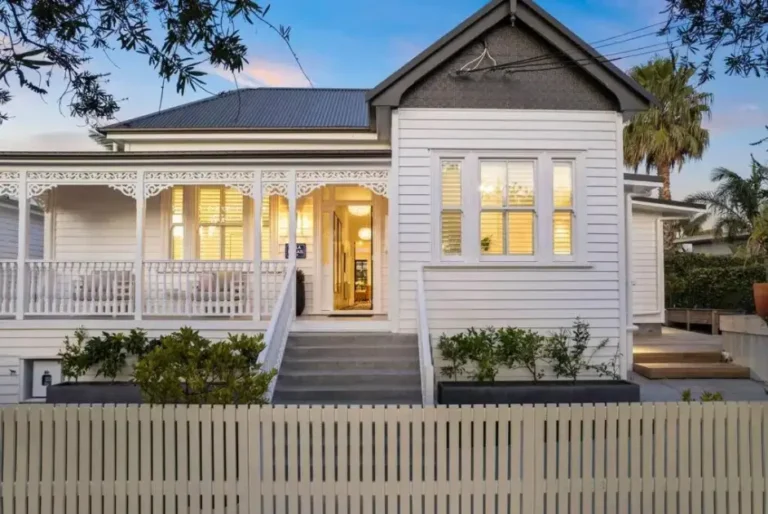
The inner-city suburbs of Ponsonby and Grey Lynn contain some of Auckland’s finest examples of Victorian and Edwardian architecture. These areas also present specific inspection challenges related to their history and development patterns.
Many Ponsonby and Grey Lynn villas were built as workers’ cottages and later upgraded, meaning construction quality varies considerably. Some properties have undergone multiple renovations over their lifetime, with work completed to varying standards depending on the era and the tradespeople involved.
The Auckland Unitary Plan designates much of Ponsonby and Grey Lynn as Special Character Areas, which affects what modifications owners can make to heritage properties. Buyers should understand these restrictions, as they may limit future renovation options and affect property value.
Properties in these suburbs often occupy narrow sites with limited side access, which can complicate inspection of external walls and foundations. Inspectors need to thoroughly assess all accessible areas and note any limitations on their scope of inspection.
A thorough heritage villa building inspection, the Auckland buyers’ commission should include examination of all accessible areas of the property, with particular attention to age-related issues. The inspection report should clearly document findings and distinguish between defects requiring immediate attention and those representing typical wear consistent with the property’s age.
Inspectors examine roofing materials, flashings, and guttering for condition and remaining service life. Original clay tiles, slate, or corrugated iron each present different maintenance requirements and failure modes.
Weatherboard condition, paint integrity, and evidence of moisture damage receive close attention. Decorative elements, including fretwork, turned posts, and finials, are assessed for rot and pest damage.
Site drainage, retaining walls, and external structures, including garages and sheds, form part of the exterior assessment.
Internal inspection covers wall and ceiling linings, looking for evidence of moisture damage, cracking, and previous repairs. Floor condition, including whether the original timber floors have been maintained or covered with later materials, affects both value and potential renovation costs.
Inspectors check joinery, including windows and doors, for operation, rot, and previous repairs. Original timber joinery represents a significant asset in heritage properties but requires ongoing maintenance.
Bathroom and kitchen conditions receive particular attention, as these areas are often the most altered from original construction and pose the greatest risk of moisture-related damage.
Subfloor inspection reveals foundation condition, floor framing integrity, and evidence of moisture problems or pest activity. Adequate subfloor ventilation proves critical for preventing timber deterioration in Auckland’s humid climate.
Roof space access allows assessment of roof framing, the presence and condition of insulation, and evidence of past or current leaks. Original timber roof framing often remains in excellent condition when kept dry, but any history of water ingress accelerates deterioration.
Auckland’s Unitary Plan provides various levels of protection for heritage buildings and areas. Understanding how these designations affect your property helps inform both the purchase decision and future planning.
Properties scheduled as Category A or B heritage buildings face the most stringent requirements, with exterior and sometimes interior modifications requiring resource consent. Special Character Area overlays affect streetscape presentation but typically allow internal modifications.
Building inspectors can identify modification work that may not have received appropriate consent, which the buyer is responsible for addressing post-purchase. Checking council records for building consents and code of compliance certificates is an important part of due diligence, alongside a physical inspection.
The Auckland Council Unitary Plan maps allow buyers to check whether a property falls within heritage or special character overlays before committing to purchase.
When engaging an inspector for a heritage property, confirm their experience with similar properties of the same age and construction type. Ask specifically about their familiarity with common issues affecting Victorian and Edwardian buildings in Auckland.
Questions to discuss include whether they carry thermal-imaging equipment for detecting moisture issues, whether they can arrange specialist assessments, such as drainage camera surveys, and how they report on materials that may contain asbestos or lead paint.
Request a sample report to understand the level of detail provided and how findings are presented. Reports should clearly distinguish between significant defects, maintenance items, and observations about typical age-related wear.
Heritage villas and character homes often require greater maintenance investment than newer properties. Understanding potential costs helps buyers budget appropriately and avoid unpleasant surprises after purchase.
Immediate works identified in the building inspection may include roof repairs, foundation remediation, borer treatment, or drainage repairs. Buyers should obtain contractor quotes for significant items before finalising their purchase.
Ongoing maintenance costs exceed those for modern construction. Timber weatherboards require regular painting, original joinery needs maintenance to prevent deterioration, and older plumbing and electrical systems require more frequent attention than modern equivalents.
Renovation costs for heritage properties typically exceed standard rates due to the care required when working with original materials and the complexity of integrating modern services with period construction. Specialist tradespeople experienced with heritage buildings command premium rates but deliver better outcomes.
Insuring heritage properties presents challenges that buyers should investigate before purchase. Some insurers exclude or limit cover for specific issues common in older homes, including gradual damage, gradual deterioration, and pest damage.
Sum insured calculations for heritage properties should account for the higher reinstatement cost using appropriate materials and methods. A villa destroyed by fire cannot simply be replaced with a standard modern build if heritage provisions require like-for-like reconstruction.
Discussing insurance requirements with a broker experienced in heritage properties helps clarify cover limitations and appropriate sum insured levels before committing to purchase.
Purchasing a heritage villa or character home represents both a significant financial investment and an opportunity to own a piece of Auckland’s architectural history. These properties reward careful stewardship with charm and character that newer buildings cannot match.
However, their age demands respect and understanding. Issues that might be defects in a modern home may simply represent normal wear in a property built over a century ago. Equally, problems that appear minor on the surface can indicate significant underlying issues requiring expert assessment.
Engaging inspectors with genuine experience in heritage properties provides the knowledge needed to make informed purchase decisions. Understanding what you are buying, including both its potential and its problems, positions you to enjoy your heritage home for years to come rather than discovering costly surprises after settlement.
Heritage villas and character homes across Auckland offer architectural beauty and historical significance that continues to attract discerning buyers. From Ponsonby’s Victorian workers’ cottages to Devonport’s grand Edwardian homes, these properties require specialist inspection knowledge that accounts for their unique construction methods and age-related challenges.
A thorough heritage villa building inspection examines borer damage, foundation settlement, asbestos-containing materials, lead paint, outdated electrical and plumbing systems, and other issues common to older properties. Understanding these challenges before purchase enables informed decision-making and realistic budgeting for both immediate repairs and ongoing maintenance.
Whether you are considering a villa in Grey Lynn, a character home in Parnell, or a heritage bungalow in Mt Eden, professional inspection by someone experienced with Auckland’s older housing stock provides the insight needed to purchase with confidence.
______________________________________________________________________________________________________________
Alert Building Inspection Services provides comprehensive building reports across Auckland and New Zealand. Trust our expert inspectors to give you clarity and confidence in your property decisions. For professional building inspection services and expert advice, visit our website. You can also read more articles like this on our blog.
Part of the Alert Building Inspections network — serving all of New Zealand
Olivia Chen says:
I’m curious whether the inspection costs outlined here actually hold up when you’re comparing heritage villas against standard character homes—are we talking the same price point, or does the heritage angle push inspectors to charge significantly more for the added complexity? That gap might be the real factor determining whether buyers skip the inspection altogether, which seems like the actual risk worth flagging.
Finn says:
The hidden costs with heritage villas always catch investors off guard. You can negotiate a good price on the building itself, but then the specialist reports come back and suddenly you’re looking at $40-60k in compliance work just to get resource consent sorted. We’ve learned the hard way that factoring in a heritage consultant early, even before making an offer, actually saves money because you know what you’re genuinely dealing with rather than discovering it mid-transaction.
Lisa Anderson says:
How often are buyers actually getting independent inspectors to assess the structural integrity of the villa itself versus just relying on the standard building report—especially when dealing with century-old homes where the bones might be solid but hidden problems are everywhere? I’m curious whether people understand that a pretty heritage exterior can mask some seriously expensive issues underneath.
S.M. says:
The hidden costs around specialist foundation reports for villas tend to catch investors off guard – we’ve factored those into acquisition budgets now, especially when bridging structural work with heritage consent requirements. Worth getting those assessments done before you commit to anything in Auckland’s older suburbs.
HannahP says:
We’re looking at a few character villas in Auckland right now and the building inspection thing genuinely kept me up at night and especially once we realised how many of these older places have hidden issues like dodgy wiring or foundation problems that won’t show up until you’re already moved in with a newborn. The point about getting a specialist inspector who actually knows heritage homes is spot-on for us, because a standard inspection just isn’t thorough enough for what we’re dealing with.
Dave Morrison says:
The foundation and timber inspection is where most people cut corners, but that’s where you’ll actually find the expensive stuff – I’d rather see someone spend an extra grand on a proper structural engineer upfront than discover $50k of rot and sistering work six months in. Get someone who’ll actually crawl under the house and test the timber, not just do a walk-through.